

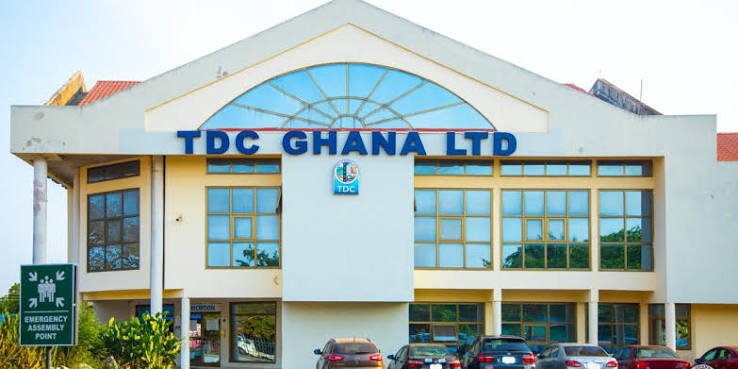
Bright Simons, the Vice President of Policy Think Tank IMANI Africa, has detailed how the Tema Development Corporation (TDC) resisted the Environmental Protection Agency (EPA) waterway red flag over the Sentuo Oil site.
The Vice President of IMANI Africa disclosed that he has been watching a fascinating video of military relief operations in & around Tema Newtown, rescuing residents stranded by floodwaters, highlighting that the Sentuo Refinery footage is very revealing.

Bright Simons detailed that the TDC, six years ago, resisted EPA’s waterway red flag over the Sentuo Oil site after they described the site as a sensitive wetland linked to Chemu Lagoon, which was due to flood risks, but the Tema City authorities disagreed and rezoned the area for industrialisation and job creation.
According to Bright Simons, Sentuo was permitted because they promised to develop a drainage channelway for that whole part of Newtown, quizzing Ghanaians if they can see the drainage channelway as he cannot.
In a post shared on X, Bright Simons wrote, “I am watching a fascinating video of military relief operations in & around Tema Newtown, rescuing residents stranded by floodwaters. See the GAF PR attached.
The Sentuo Refinery footage is very revealing.
Ghana imports most of its refined fuel despite having domestic crude. So, naturally, Sentuo is seen as a totem of the country’s industrial future.
The flooded refinery would no doubt spark more moralising about “building in waterways.”
For good reason.
6 years ago, the EPA resisted the refinery site. They said the land sat in a sensitive wetland & flood-buffer system linked to Chemu Lagoon.
Tema City authorities disagreed. They insisted that Ghana must industrialise & create jobs. Sentuo land was thus rezoned.
That is the real tension of SERIOUS POLICY.
There are at least 5 levels of analysis when it comes to the intersection among waterways, flood risk & urban development. From direct obstruction to buffers to accelerants.
A city & its natural setting are both living organisms. There is no fixed hydrological or urban reality.
Yet elites continue to treat it as simple with their lazy moralising. Identify structures. Demolish them. Punish offenders. Problem solved.
In the theory of katanomics, that only answers WHAT.
The HOW is where the mess lives & where elites are too aloof to go”.
Bright Simons further asked some fundamental questions, saying, “Who mapped the waterway? By which flood standard? Is the wetland legally protected? Did the assembly, TDC, Lands Commission, EPA & Hydrological Authority agree on one binding map?
Sentuo was given permission because they promised to develop a drainage channelway for that whole part of Newtown. I can’t see it. Can you?”.
His post further added, “Is there a group of elite Tema citizens that paid attention? Demanded permit conditions? Studied & published dissent or modifications? Mobilised civic pressure? I will save you the hassle. No.
This is katanomics in its rawest form.
It is easy to see the WHAT: free waterways.
But the real burden is in disaggregated execution: buffer widths, culvert levels, catchment maps, retention ponds, permit triggers, maintenance bonds, etc.
It is not our busy Makola mothers who work from 4 am to 7 pm and then rush home to cook that can mount such citizen surveillance. Only the educated Middle Class elites can. “Critical Policy Audiences” in the katanomics vocabulary.
If only they would sacrifice a few English Premier League matches.
Moralising is cheap. It makes people feel good about themselves. Digging for info, organising, thinking deep about alternatives, & then mounting civic pressure is HARD.
That is why it is seldom done. But elites in some places get it.
In Curitiba, Brazil, citizens made drainage, transport and zoning civic obsessions. They scrutinised flood maps & pushed neighbourhood drills. In Taiwan, citizen groups have forced environmental review and industrial-siting questions into public politics. Officials hold public sessions & folks video proceedings for social media.
That is the katanomic remedy: critical policy audiences”.
See the post below:
I am watching a fascinating video of military relief operations in & around Tema Newtown, rescuing residents stranded by floodwaters. See the GAF PR attached.
— Bright Simons (@BBSimons) July 2, 2026
The Sentuo Refinery footage is very revealing.
Ghana imports most of its refined fuel despite having domestic crude.… pic.twitter.com/T7aqKm7XWI