

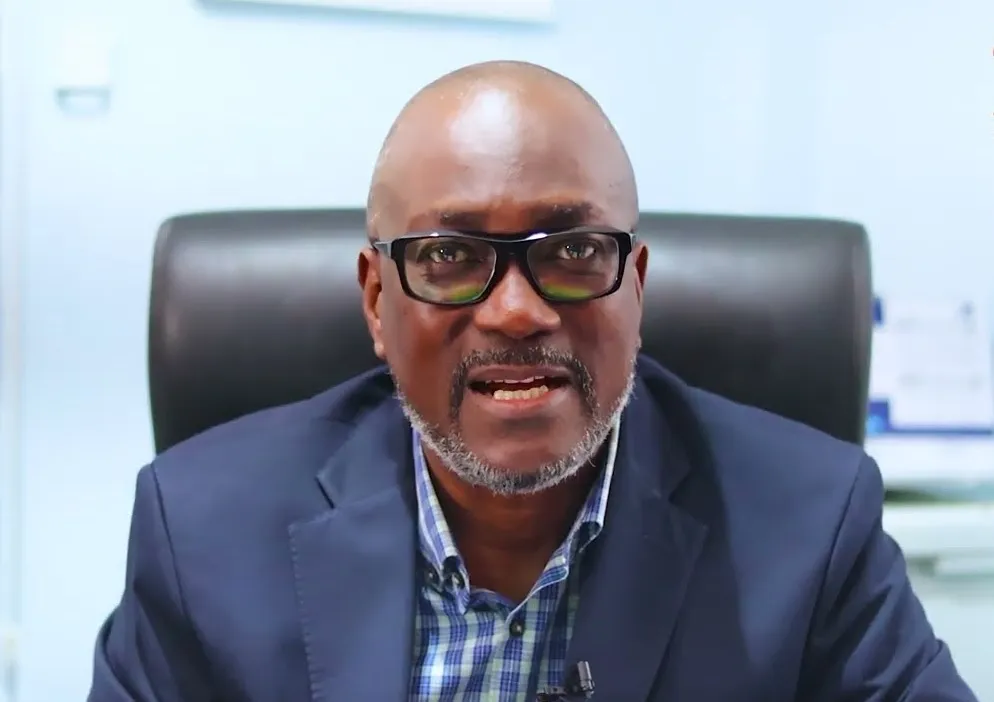
Prof Henry Kwasi Prempeh, the Chairman of the Constitutional Review Committee, has fumed over Ghana’s practice of paying retired public officials salaries.
According to Prof Prempeh, Ghana must scrap the payment of salaries to retired public officials.
Prof Prempeh described the practise as ridiculous, questioning which country in the world pays salaries to retirees.
In a Facebook post on March 17, 2026, Prof Prempeh wrote, “We must scrap the ‘retirement on salary’ compensation practices in our public sector. Do we know any other place in the world where this sort of thing happens as commonly as it does here? We are just ridiculous!”
Prof Prempeh’s comments come following Ghana’s Finance Minister announcing the country’s ballooning wage bill, which continues to strain the country’s finances.
According to Dr Cassiel Ato Forson, Ghana spent 44 per cent of its total tax revenue on public sector wages in 2025.
Report by TV3 stated, “out of total tax revenue of GH¢183 billion in 2025, statutory obligations, including transfers to DACF, GETFund, NHIL, and debt servicing, consumed GH¢122.1 billion, leaving only GH¢61.9 billion available.
However, the government’s wage bill alone amounted to GH¢78.9 billion, creating a financing gap that forced the state to borrow approximately GH¢17 billion just to meet salary obligations.
Dr Forson emphasised that the combined burden of wages, debt servicing, and statutory transfers exceeded total tax revenue, effectively crowding out other critical expenditures.
He warned that under the current fiscal conditions, the government lacks the financial space to adequately invest in essential infrastructure such as schools, hospitals, and roads.
The Finance Minister noted that while fair remuneration remains a constitutional obligation, the current trajectory of public sector compensation poses a significant structural risk to fiscal sustainability and service delivery.
He stressed the need for careful management of wage growth alongside broader fiscal reforms to restore balance and create room for development spending”.
Also, Ato Forson has disclosed that public sector wages remain the largest component of government expenditure.
Speaking during a dialogue with Organised Labour at the Jubilee House in Accra on Tuesday, March 17, Ato Forson stated, “Compensation of Ghana’s employees is currently the largest share of government expenditure. Of the total government expenditure, employee compensation accounts for 39%, debt service accounts for 32%, and grants to other government units account for 29%”.
“The crowding effect of compensation means that while we spend 33% of our compensation budget, our expenditure on compensation, only three per cent is used for goods and services, and capital expenditure represents only six per cent of Ghana’s expenditure.
“Social benefits only represent one per cent of government expenditure, and grants to other government units representing the statutory funds are about 24% while debt service represents 26% of our total expenditure”.
“Some key facts on the compensation issues are that at the end of the 2025 fiscal year, compensation budget accounted for 44% of non-oil tax revenue, 5.6% of GDP, and 33.78% of total expenditure,” he added.
See the post below: