

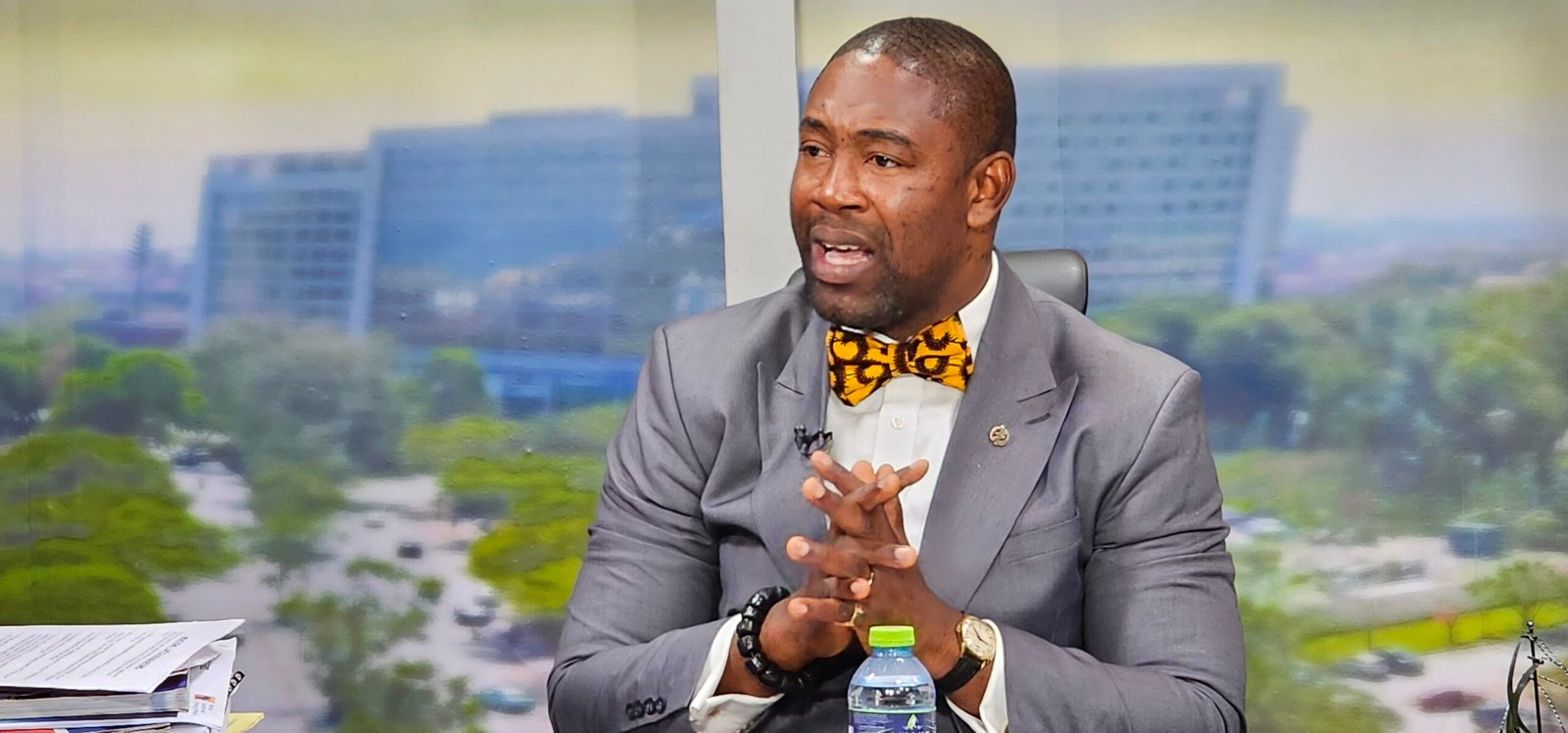
Dr Okoe-Boye, the Former Health Minister, has taken a swipe at the John Mahama-led government over their inability to fund one shift of public workers after promising three shifts in opposition.
According to Okoe-Boye, the NDC has been trapped by their words and must apologise to Ghanaian youths for its deception during the 2024 campaign.
Dr Okoe-Boye highlighted that the NDC promised Ghanaians youths three shifts, but are now borrowing ¢17 billion just to meet public sector wage obligations in 2025.
Speaking on Accra-based Asempa FM, Dr Okoe Boye explained, “When the NDC was talking about the 133, they were speaking to what they can control and not the private sector. Typical of the NDC, the first shift, they do not have the money to cover the wage bill. Men are trapped by the words. Even the wage bill for the first shift, OB, you think…
John Mahama is a handsome man and has been a president before. He would have employed more people in his first term, but the reason why he couldn’t is that he knows there is something called a wage bill”.
Dr Okoe-Boye added, “But in 2024, they told the whole youth that instead of one shift…I was on Metro TV, and I said the only reason why you don’t run a three-shift system just like that is that you have to check the wage bill of the first shift. Today, Ato Forson is telling you that under this recovered economy, when they pay the three statutory funds, he has to borrow to pay workers”.
“The point I’m making is that at the time they were promising, 133 the finance minister, Ato Forson, was aware that in the previous government under Akufo-Addo, the money that we generate as a country, after paying the District Assemblies’ common fund, GETFUND, and Health Insurance, it becomes difficult to pay for salaries.
That is the reason why the government introduced the capping policy…OB, when you use smartness and duplicity to get power, the victims of these games wait for you at the polls in three years. Sometimes it is better to be silent and reflect because the more you talk about it, the more you anger the people you played games with,” he explained.
His comments follows, Dr Cassiel Ato Forson, the Finance Minister, has revealed that the government borrowed approximately GH¢17 billion just to meet public sector wage obligations in 2025.
The Finance Minister detailed that Ghana spent 44 per cent of its total tax revenue on public sector wages in 2025.
According to Ato Forson, Ghana’s wage bill consumes 44% of tax revenue, forcing the government to borrow to pay salaries.
Report by TV3 stated, “out of total tax revenue of GH¢183 billion in 2025, statutory obligations, including transfers to DACF, GETFund, NHIL, and debt servicing, consumed GH¢122.1 billion, leaving only GH¢61.9 billion available.
However, the government’s wage bill alone amounted to GH¢78.9 billion, creating a financing gap that forced the state to borrow approximately GH¢17 billion just to meet salary obligations.
Dr Forson emphasised that the combined burden of wages, debt servicing, and statutory transfers exceeded total tax revenue, effectively crowding out other critical expenditures.
Also, Ato Forson has disclosed that public sector wages remain the largest component of government expenditure.
Speaking during a dialogue with Organised Labour at the Jubilee House in Accra on Tuesday, March 17, Ato Forson stated, “Compensation of Ghana’s employees is currently the largest share of government expenditure. Of the total government expenditure, employee compensation accounts for 39%, debt service accounts for 32%, and grants to other government units account for 29%”.
“The crowding effect of compensation means that while we spend 33% of our compensation budget, our expenditure on compensation, only three per cent is used for goods and services, and capital expenditure represents only six per cent of Ghana’s expenditure.
“Social benefits only represent one per cent of government expenditure, and grants to other government units representing the statutory funds are about 24% while debt service represents 26% of our total expenditure”.
“Some key facts on the compensation issues are that at the end of the 2025 fiscal year, compensation budget accounted for 44% of non-oil tax revenue, 5.6% of GDP, and 33.78% of total expenditure,” he added.