

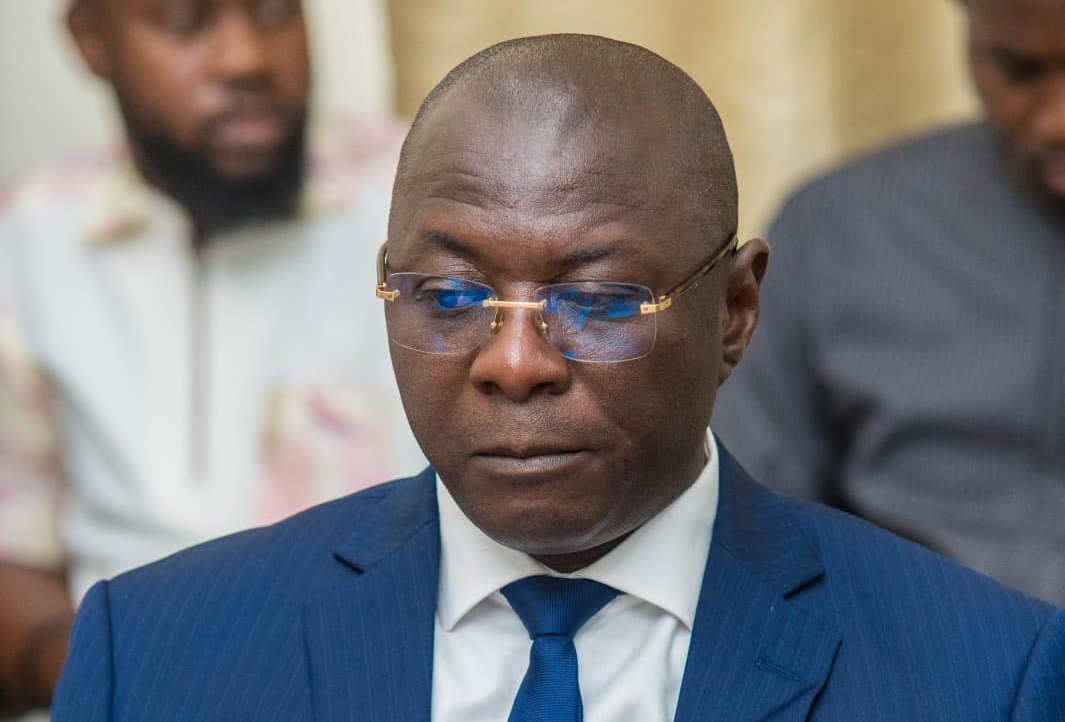
Dr Mohammed Amin Adam, the former, has told the Mahama government that a reduction of taxes on petroleum products will not affect the 2026 Budget.
According to Amin Adam, the current global oil price dynamics provide sufficient fiscal space for tax relief.
He asserted that the government is already benefiting from higher-than-projected crude oil prices amid the ongoing Middle East tensions.
In a Facebook post on April 2, Dr Amin Adam stated, “Reducing petroleum taxes will not affect the 2026 Budget”.
“What the government has not told Ghanaians is that it has been gaining from the increase in international crude oil prices since the US-Israel-Iran war started,” he said.
He added, “At these prices, the government is gaining additional windfall revenue of more than GH¢8 billion this year”.
“The calls for the government to intervene by reducing the levies are therefore well placed… Revenue shortfalls… will be recovered from the new additional revenue,” he added.
“Government must act now,” he stressed.
His remarks come on the heels of growing calls by transport unions, including the Ghana Private Road Transport Union, and civil society organisations demanding the removal of the GH¢1 levy imposed on every litre of petroleum product.
The Deputy Industrial and Public Relations Officer of the Ghana Private Road Transport Union (GPRTU), Samuel Amoah, has told the John Mahama-led NDC government to abolish fuel taxes within 48 hours or face fare hikes.
Speaking in an interview with Joy News, the GPRTU stressed that the growing cost of operations is becoming unbearable for commercial drivers.
The GPRTU cited rising fuel prices, expensive spare parts, deteriorating road conditions and an increase in charges by the DVLA.
Samuel Amoah stated, “We came up with this release and gave the government two days to do something about it. If they fail to do [that]…then we have no option but to organise ourselves to request an increment of transport fares for our members.
“What the government and the president are saying is, it is something they can’t control right now, but the transport operators may be forced to,” Samuel Amoah explained.
The GPRTU demands follow the National Petroleum Authority’s new pricing guidelines, which set minimum ex-pump prices for the period April 1 to April 15 at GHS 13.30 per litre for petrol and GHS 17.10 per litre for diesel, a significant increase compared to March 31, when petrol and diesel were pegged at GHS 11.57 and GHS 14.35 per litre.
Meanwhile, President John Dramani Mahama has assured that the government is prepared to shield Ghanaians from rising fuel costs.
Mahama disclosed that his government will roll out targeted measures to protect consumers if rising global oil prices begin to significantly impact domestic fuel costs.
Speaking at a Presidential Dialogue with Civil Society Organisations, the President stated, “Things were sailing quite smoothly, and indeed, we’re beginning to enjoy some of the lowest fuel prices in a long time. The push factor in the oil price build-up is coming from the price of crude oil and finished products”.
“If this continues, then we will have to take some firm decisions”.
Mahama explained, “Some of the options available to us include adjusting margins to ease the burden on consumers and also reviewing the development levy to provide relief”.
“Fuel drives the transport sector, and transport is a major contributor to inflation. When fuel prices rise, the cost of moving goods, especially food, also increases, affecting the overall cost of living,” he said.