

The Vehicle Embossment Association of Ghana (VEMAG) has filed an injunction at the High Court in Accra against the DVLA’s planned new number plates rollout for 2026.
The Vehicle Embossment Association are seeking to restrain the Driver and Vehicle Licensing Authority (DVLA) from rolling out its planned digital new vehicle number plate registration system starting from January 2026.
Reports suggest the suit was filed by BEMENCO Embossment Ltd and 26 other plaintiffs.
The injunction application was filed at the High Court on Monday, December 22, 2025 and seeks to restrain the DVLA from introducing digitalised vehicle number plates.
The Vehicle Embossment Association, in their injunction, claimed the DVLA awarded both manufacturing and embossment contracts to a single entity, which they claim goes contrary to established practice.
They are also seeking the court to compel the DVLA to continue engaging licensed embossers for 2026 and beyond.
VEMAG is also asking for costs, including solicitors’ fees, and other reliefs the court may deem fit, as well as declarations that the DVLA’s refusal to allocate blank registration plates for 2026 is unlawful and a breach of contract.
According to VEMAG, the DVLA owes some of its members arrears for plates already produced.
Earlier, reports had suggested that the Vehicle Embossers Association of Ghana had petitioned the Transport Ministry to halt the 2026 number plate change planned by the Driver and Vehicle Licensing Authority.
The Vehicle Embossers cited a lack of consultation and claim there will be a looming disruption if DVLA proceed with plans to introduce the new number plate.
According to TV3, they stated, “Vehicle Embossers Association of Ghana petitions Transport Ministry to halt January 2026 number plate changeover, cites lack of consultation and looming disruption”.
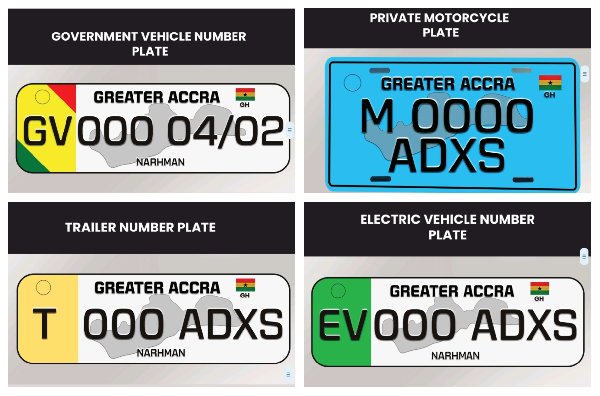
Meanwhile, the DVLA plans to introduce number plates embedded with Radio Frequency Identification (RFID) chips.
According to the DVLA boss, the RFID chips would enhance security and curb vehicle-related criminality.
The DVLA boss explained that the RFID-enabled plates would make it very difficult for external entities to tamper with or replicate vehicle information.
Julius Neequaye Kotey and the technical team have outlined the upcoming nationwide vehicle registration reforms, aimed at modernising the system, enhancing security, and addressing longstanding issues like plate abuse and data inaccuracies.
The DVLA Justifications for the New System include,
Database Cleanup: Builds a credible, updated vehicle registry to tackle stolen/unaccustomed vehicles and fraud (e.g., easy plate duplication from garages).
State-Controlled Printing: Plates will be produced in-house by DVLA (not private entities) after verification, reducing unauthorised access.
Owner Identification: Links plates to verified owners to boost public safety, crime prevention (e.g., vehicles in crimes), road enforcement, and regional harmonisation (e.g., ECOWAS integration).
Best Practices: Aligns with global standards for reliable data and anti-fraud measures.