

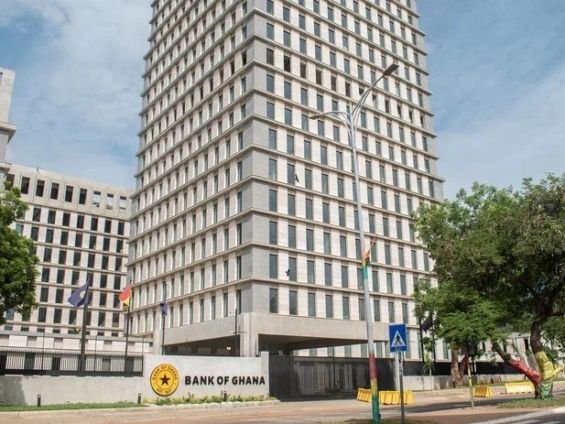
Ghana’s economy is showing signs of recovery, supported by stronger economic growth, relatively low inflation, improving credit conditions and a rally on the Ghana Stock Exchange.
However, cedi depreciation, persistent bad loans and exposure to global commodity prices remain key risks.

The Bank of Ghana’s September 2026 Monetary Policy Report highlights these developments, offering insights into the country’s economic performance and the challenges that could shape the outlook.
Here are 10 key takeaways from the report:
1. BoG maintains policy rate at 14%
The Bank of Ghana has maintained its Monetary Policy Rate at 14 per cent following significant cuts from 25 per cent in July 2025. The decision seeks to support economic activity while preserving price stability amid global energy market volatility and geopolitical tensions.
2. Inflation rises to 5.2%
Headline inflation rose to 5.2 per cent, from 4.6 per cent in July and 5 per cent in August. Non-food inflation increased to 6.8 per cent, while food inflation eased to 3 per cent. Despite the increase, inflation remains below the central bank’s medium-term target range of 6 to 10 per cent.
3. GDP growth reaches 6%
Ghana’s real GDP expanded by 6 per cent year-on-year in the second quarter of 2026, driven mainly by services and industry. The Composite Index of Economic Activity also grew by 14.9 per cent year-on-year in July, up from 6.1 per cent a year earlier.
4. Gold boosts export earnings
Ghana recorded a trade surplus of approximately US$8.8 billion in the first eight months of 2026, compared with US$6.69 billion during the same period in 2025. Export earnings reached US$22.39 billion, supported by gold receipts of US$14.86 billion. However, reliance on commodities leaves the economy vulnerable to global price fluctuations.
5. Cedi depreciation remains a concern
The cedi depreciated by 7.11 per cent against the US dollar, 7.78 per cent against the pound and 6.09 per cent against the euro on the interbank market in the year to August. The depreciation highlights continuing currency pressures despite stronger export earnings.
6. Lending rates decline as credit expands
Average bank lending rates fell to 15.9 per cent in August, from 24.2 per cent a year earlier. Real private-sector credit growth accelerated to 29 per cent, compared with 1.7 per cent in August 2025, signalling improved access to financing for businesses.
7. Fiscal performance exceeds targets
Provisional data for January to July 2026 showed an overall fiscal deficit of 0.2 per cent of GDP, below the programmed target of 1.9 per cent. The primary balance recorded a surplus of 1.4 per cent of GDP, exceeding the 0.2 per cent fiscal anchor target.
8. Bad loans decline, but risks persist
Banking sector assets rose by 20.5 per cent year-on-year to GH¢500.2 billion at the end of August. The capital adequacy ratio reached 19.1 per cent, above the 13 per cent regulatory minimum. The non-performing loan ratio declined to 15.7 per cent from 20.8 per cent a year earlier, although credit risks remain significant.
9. Lower rates affect bank profitability
Banks’ profit after tax reportedly fell by 5.7 per cent to GH¢9.2 billion. Net interest income declined by 4.2 per cent, while fee and commission income increased by 17.9 per cent, highlighting changing earnings conditions as interest rates fall.
10. Stock market records strong rally
The Ghana Stock Exchange Composite Index surged by 105.7 per cent year-on-year to 15,076.3 points at the end of August 2026. The Financial Stocks Index gained 131.7 per cent, while market capitalisation reached GH¢285.58 billion.
Meanwhile, the report points to improving economic conditions, supported by stronger growth, rising exports, lower lending rates and improved banking indicators. However, currency depreciation, commodity price volatility and persistent bad loans remain challenges. Sustaining the recovery will depend on continued fiscal discipline, financial sector resilience and policies that translate economic gains into jobs and better living standards.
@ghnow_ NPP First Vice Chairman, Kojo Fosu Bamba, has been spotted at the Accra High Court for Chairman Wontumi’s bail application hearing. #GHNow #fyp ♬ Faith – Kweku Smoke & Lasmid
@ghnow_ Justice Srem-Sai has departed the Accra High Court after the judge adjourned the bail application hearing of Chairman Wontumi. #GHNow #fyp ♬ original sound – MY WORSHIP CORNER. 🇬🇭