

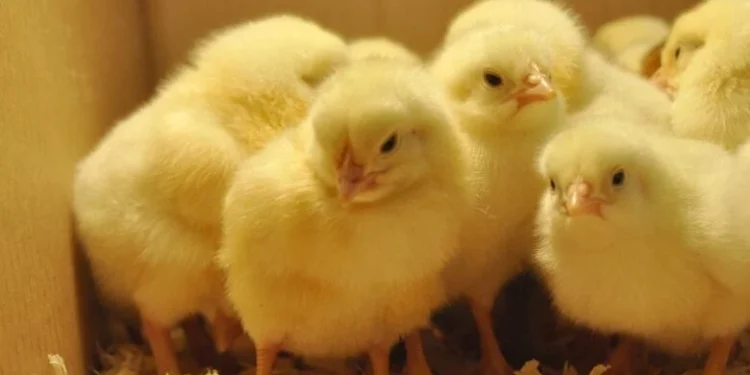
Franklin Cudjoe, the President of IMANI Africa, has warned the John Mahama government that the ‘Nkoko Nkitinkiti‘ programme. risks becoming “Flying Akonfem Version 2”.
According to Franklin Cudjoe, the ‘Nkoko Nkitinkiti’ programme risks becoming the ‘Flying Akonfem Version 2 ‘ as 3 million birds have been distributed since October 2025 without adequate processing plants or cold-chain infrastructure.

FranklIn Cudjoe questioned why Ghana imports over 80% of its poultry at $300 million annually and questioned the lack of cost-benefit analysis for the GHS 250 million expenditure plus potential $20 million more.
He argued that Ghana’s poultry sector requires more than increasing production.
In a post shared on his X page on July 22, 2026, Franklin Cudjoe detailed, “Nkoko Nkitinkiti risks becoming ‘Flying Akomfem Version 2. – Franklin Cudjoe
1. Ghana imports over 80% of its poultry at a cost of $300 million annually. The government’s new Nkoko Nkitinkiti Programme has been distributing projected 3 million birds nationwide since October 2025.
2. I have not read or seen any impact analysis justifying the spending of GHS 250 million on this policy, with an additional $20m likely to be approved for the programme.
3. Sadly, when funds are given to existing big poultry companies, they often import chicken and repackage it as locally produced. For instance, a well-known company received GHS 20 million under 1D-1F to expand operations but reportedly used the funds to import and rebrand foreign chicken as Ghanaian.
4. My dear Agric Minister, please show us a cost-benefit analysis justifying this GHS 250 million expenditure from taxpayer money. Otherwise, I fear that additional funds committed by the World Bank will be wasted.
5. IMANI warned last year that unless production is matched with processing and cold-chain infrastructure, the programme risks collapse.
6. IMANI explored the following questions and observations:
🔸 Why distributing millions of birds without processing plants will destabilise prices and create waste.
🔸 Farmers’ concern: “When the birds mature, where do we take them?”
🔸 How processing and cold storage can stabilise markets, ensure quality, and create jobs.
🔸 Why a full poultry ecosystem, from feed supply to logistics, is essential for reducing imports.
7. Producing millions of birds without processing is like building a factory with no power to run the machines”.
Meanwhile, Eric Opoku, the Minister for Food and Agriculture, has told the beneficiaries of the government’s Nkoko Nkitinkiti initiative to consume some of the birds but not everything.
The Agric Minister urged beneficiaries to treat the programme as a business venture by selling most of the birds they rear.
Eric Opoku noted that beneficiaries are likely to use some of the birds for household use but urged them to prioritise expanding their stock and selling the rest to generate income.
Speaking on The Future of Poultry Beyond Nkoko Nkitinkiti on Friday, July 17, the minister stated, “You have been given the birds, and you are a human being, so you cannot leave them there and go to the market to buy chicken once you have it.
So consume some, but don’t consume everything. See it as a business and as seed that can help you expand your poultry enterprise…In any case, what are birds raised for? Are they clocks to be fixed on the wall for people to look at? ”
See the post below:
Nkoko Nkitinkiti risks becoming 'Flying Akomfem Version 2. – Franklin Cudjoe
— Franklin CUDJOE (@lordcudjoe) July 22, 2026
1. Ghana imports over 80% of its poultry at a cost of $300 million annually. The government’s new Nkoko Nkitinkiti Programme has been distributing projected 3 million birds nationwide since October…
@ghnow_ 🔥 Dancegod has arrived at the H4DS Youth Empowerment Program #GHnow #fyp ♬ original sound – AfroBase+ 🇺🇸 🇬🇭