

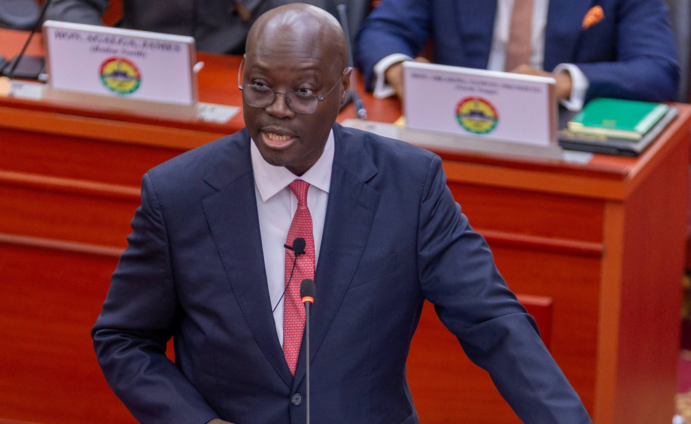
Dr Theo Acheampong, the Economist and Technical Adviser at the Ministry of Finance, has shared his ten key takeaways from Ghana’s 2026 Mid-Year Budget Review.
The Economist detailed that no new taxes were introduced, nor was there a need for a supplementary budget; adding that Q1 GDP growth of 6.4%, inflation fell to 5.3%, and debt-to-GDP reached its 45% target early.

His analysis credits three key reforms- the fiscal correction, tax modernisation, and a gold-anchored external strategy for driving revenue gains.
In a post on X, Dr Theo Acheampong wrote, “𝟭. 𝗡𝗢 𝗦𝗨𝗣𝗣𝗟𝗘𝗠𝗘𝗡𝗧𝗔𝗥𝗬 𝗕𝗨𝗗𝗚𝗘𝗧. 𝗡𝗢 𝗡𝗘𝗪 𝗧𝗔𝗫𝗘𝗦. 𝗧𝗔𝗥𝗚𝗘𝗧𝗦 𝗨𝗡𝗖𝗛𝗔𝗡𝗚𝗘𝗗
Government is not seeking additional appropriations (money), and total expenditure remains unchanged, although spending is being strategically realigned within the existing envelope. Despite the abolition of the E-Levy, Betting Tax, COVID-19 Levy, Emissions Levy and VAT on motor insurance, non-oil tax revenue increased from 12.6% of GDP in 2024 to 13.1% in 2025.
𝟮. 𝗚𝗥𝗢𝗪𝗧𝗛 𝗜𝗦 𝗔𝗛𝗘𝗔𝗗 𝗢𝗙 𝗧𝗔𝗥𝗚𝗘𝗧 & 𝗔𝗡𝗗 𝗘𝗫𝗧𝗘𝗡𝗗𝗦 𝗕𝗘𝗬𝗢𝗡𝗗 𝗚𝗢𝗟𝗗
Real GDP grew 6.4% in Q1 2026, against the 4.8% full-year floor, while non-oil GDP grew almost as quickly at 6.3%. Services expanded 7.1%, industry 6.9% and agriculture 4.0%. The GDP deflator also fell from 23.9% to 4.1%, indicating that growth was driven more by real output than price increases. However, growth remains concentrated in just five subsectors.
𝟯. 𝗧𝗛𝗘 𝗚𝗢𝗩𝗘𝗥𝗡𝗠𝗘𝗡𝗧’𝗦 𝗧𝗨𝗥𝗡𝗔𝗥𝗢𝗨𝗡𝗗 𝗦𝗧𝗥𝗔𝗧𝗘𝗚𝗬 𝗥𝗘𝗦𝗧𝗦 𝗢𝗡 𝗧𝗛𝗥𝗘𝗘 (𝟯) 𝗞𝗘𝗬 𝗧𝗥𝗔𝗡𝗦𝗙𝗢𝗥𝗠𝗔𝗧𝗜𝗢𝗡𝗔𝗟 𝗣𝗢𝗟𝗜𝗖𝗬 𝗥𝗘𝗙𝗢𝗥𝗠𝗦 (𝗞𝗧𝗣𝘀
These are: (1) Fiscal Correction (including Commitment Authorisation regime), which reset spending to 2023 levels and swung the primary balance from a 2.9% of GDP deficit to a 2.5% surplus; (2) Modernising the Tax Regime; and (3) Complementary Fiscal Policy to support inflation targeting and exchange-rate stability. Fiscal discipline (KTP1) created the space, tax modernisation (KTP2) proved revenue can rise without new taxes, and the gold-anchored external strategy (KTP3) restored the cedi and reserves. Together they explain a recovery that critics wrongly attribute to luck.
𝟰. 𝗜𝗡𝗙𝗟𝗔𝗧𝗜𝗢𝗡 𝗠𝗢𝗥𝗘 𝗧𝗛𝗔𝗡 𝗛𝗔𝗟𝗩𝗘𝗗
Headline inflation fell from 13.7% in June 2025 to 5.3% in June 2026, after reaching a seven-year low of 3.2% in March. Imported inflation stood at 2.3%, compared with 6.7% for locally produced items, while services inflation remained elevated at 9.4%, largely driven by transport fares. Lower inflation has eased cost-of-living pressures and strengthened household purchasing power. Multidimensional poverty—which captures overlapping disadvantages in living conditions, education, health and employment—also declined from 24.9% in Q3 2024 to 21.9% in Q3 2025, equivalent to about 950,000 people moving out of deprivation.
𝟱. 𝗧𝗛𝗘 𝗙𝗜𝗦𝗖𝗔𝗟 𝗔𝗡𝗖𝗛𝗢𝗥 𝗜𝗦 𝗛𝗢𝗟𝗗𝗜𝗡𝗚, 𝗔𝗡𝗗 𝗧𝗛𝗘 𝗗𝗘𝗕𝗧 𝗥𝗔𝗧𝗜𝗢 𝗛𝗔𝗦 𝗥𝗘𝗔𝗖𝗛𝗘𝗗 𝗜𝗧𝗦 𝗧𝗔𝗥𝗚𝗘𝗧
PRIMARY SURPLUS of 0.9% of GDP (commitment basis) in H1, on track for the 1.5% full-year anchor. The debt-to-GDP ratio fell from 61.6% at end-2024 to 44.7% at end-2025 and stood at 45.0% in June 2026—meeting the statutory target years early. Interest payments were GH¢6.9 billion below target, while GH¢5.3 billion of legacy arrears were cleared and no new arrears accumulated.
𝟲. 𝗗𝗘𝗕𝗧 𝗜𝗦 𝗠𝗢𝗥𝗘 𝗦𝗨𝗦𝗧𝗔𝗜𝗡𝗔𝗕𝗟𝗘, 𝗔𝗡𝗗 𝗕𝗢𝗥𝗥𝗢𝗪𝗜𝗡𝗚 𝗖𝗢𝗦𝗧𝗦 𝗛𝗔𝗩𝗘 𝗙𝗔𝗟𝗟𝗘𝗡 𝗦𝗛𝗔𝗥𝗣𝗟𝗬
Debt service declined from 55.7% of domestic revenue in 2022 to 28.6% in 2025. The joint IMF–World Bank assessment now classifies Ghana’s debt as “sustainable with room to absorb shocks,” while the risk of debt distress has improved from high to moderate. The 91-day Treasury-bill rate fell to 5.7% by June 2026, and the average commercial lending rate declined from 30.2% at end-2024 to 15.6%.
𝟳. 𝗥𝗘𝗦𝗘𝗥𝗩𝗘𝗦 𝗖𝗢𝗩𝗘𝗥 𝗙𝗜𝗩𝗘 𝗠𝗢𝗡𝗧𝗛𝗦 𝗢𝗙 𝗜𝗠𝗣𝗢𝗥𝗧𝗦, 𝗔𝗡𝗗 𝗚𝗔𝗡𝗥𝗔𝗣 𝗛𝗔𝗦 𝗕𝗘𝗘𝗡 𝗙𝗨𝗟𝗟𝗬 𝗕𝗨𝗗𝗚𝗘𝗧𝗘𝗗.
Gross international reserves stood at US$12.9 billion, equivalent to 5 months of imports. Government has allocated GH¢5 billion in 2026 to fund the implementation cost of the Ghana Accelerated National Reserve Accumulation Policy (GANRAP). The average programme cost has been reduced from 14.5% to 5% of the gold purchased.
𝟴. 𝗧𝗛𝗘 𝗦𝗜𝗡𝗞𝗜𝗡𝗚 𝗙𝗨𝗡𝗗 𝗪𝗔𝗥𝗖𝗛𝗘𝗦𝗧 𝗜𝗦 𝗕𝗘𝗜𝗡𝗚 𝗥𝗘𝗕𝗨𝗜𝗟𝗧
About GH¢15.6bn has been set aside into the Sinking Fund as of 22 July, and on course for GH¢30bn by year-end. This would be enough to repay the GH¢30bn DDEP maturity due in February 2027. We are preparing for debt before it falls due rather than scrambling at the deadline. The Sinking Fund is being financed partly with 7% of non-oil tax revenues and domestic bond proceeds.
𝟵. 𝗧𝗛𝗘 𝗥𝗘𝗩𝗘𝗡𝗨𝗘 𝗦𝗧𝗥𝗔𝗧𝗘𝗚𝗬 𝗜𝗦 𝗖𝗢𝗠𝗣𝗟𝗜𝗔𝗡𝗖𝗘, 𝗧𝗘𝗖𝗛𝗡𝗢𝗟𝗢𝗚𝗬 𝗔𝗡𝗗 𝗔 𝗕𝗥𝗢𝗔𝗗𝗘𝗥 𝗕𝗔𝗦𝗘—𝗡𝗢𝗧 𝗛𝗜𝗚𝗛𝗘𝗥 𝗥𝗔𝗧𝗘𝗦
In 2025, the effective VAT rate was reduced from 21.9% to 20% , the registration threshold increased from GH¢200,000 to GH¢750,000, and the GETFund and NHIL levies became deductible. A cross-border VAT system for digital platforms was piloted in April and is projected to generate GH¢2.3 billion in its first full year. Fiscal Electronic Devices, a VAT Reward Scheme and AI-supported customs reforms are closing leakages and forecast to increase non-oil tax revenue to 14.1% of GDP in 2026.
𝟭𝟬. 𝗣𝗥𝗢𝗝𝗘𝗖𝗧 𝗗𝗘𝗟𝗜𝗩𝗘𝗥𝗬 𝗜𝗦 𝗔𝗗𝗩𝗔𝗡𝗖𝗜𝗡𝗚
Work has commenced on 87 Big Push projects: 74 trunk roads and bridges, 10 urban roads and three feeder roads. Thirteen had reached at least 50% completion by June. The Accra–Kumasi Expressway is a proposed 176-kilometre, six-lane road expected to reduce travel time to about two hours. By 22 July, 122 kilometres of right-of-way had been cleared and US$1.7 billion had been placed in a dedicated Bank of Ghana account. Sod-cutting to follow procurement in September. The 24-Hour Economy Authority Act is also in force, with multi-shift operations adopted by 268 fuel stations, 33 manufacturing companies and other institutions. It has a prospective investment pipeline of US$11.5 billion, of which US$5.5 billion is covered by Joint Development Agreements.
The bottom line: Ghana’s macroeconomic indicators have improved markedly. The next phase is turning these lower borrowing costs into more private investment, translating compliance technology into more revenue, and project allocations into fully completed infrastructure, enhanced exports and more jobs.
(c) Theo Acheampong, PhD. Views my own”.
See the post below:
𝟭𝟬 𝗧𝗔𝗞𝗘𝗔𝗪𝗔𝗬𝗦 𝗙𝗥𝗢𝗠 𝗚𝗛𝗔𝗡𝗔’𝗦 𝟮𝟬𝟮𝟲 𝗠𝗜𝗗-𝗬𝗘𝗔𝗥 𝗥𝗘𝗩𝗜𝗘𝗪
— Theo Acheampong, PhD (@mytheoz) July 24, 2026
———————————-
𝟭. 𝗡𝗢 𝗦𝗨𝗣𝗣𝗟𝗘𝗠𝗘𝗡𝗧𝗔𝗥𝗬 𝗕𝗨𝗗𝗚𝗘𝗧. 𝗡𝗢 𝗡𝗘𝗪 𝗧𝗔𝗫𝗘𝗦. 𝗧𝗔𝗥𝗚𝗘𝗧𝗦 𝗨𝗡𝗖𝗛𝗔𝗡𝗚𝗘𝗗
Government is not seeking additional…
@ghnow_ Speaker of parliament departs Asomdwee Park after attending the wreath-laying ceremony marking the 14th anniversary of the passing of the late H.E. Professor John Evans Atta Mills
♬ original sound – Nacee Music
@ghnow_ Dr. Lawrence Tetteh has arrived at Asomdwee Park for the wreath-laying ceremony in honour of the late H.E. Professor John Evans Atta Mills. He joins family members, state officials, and other dignitaries to pay tribute to the memory and legacy of the former President. #GHnow #fyp ♬ original sound – Unique Creative Consult👨🏽💻