

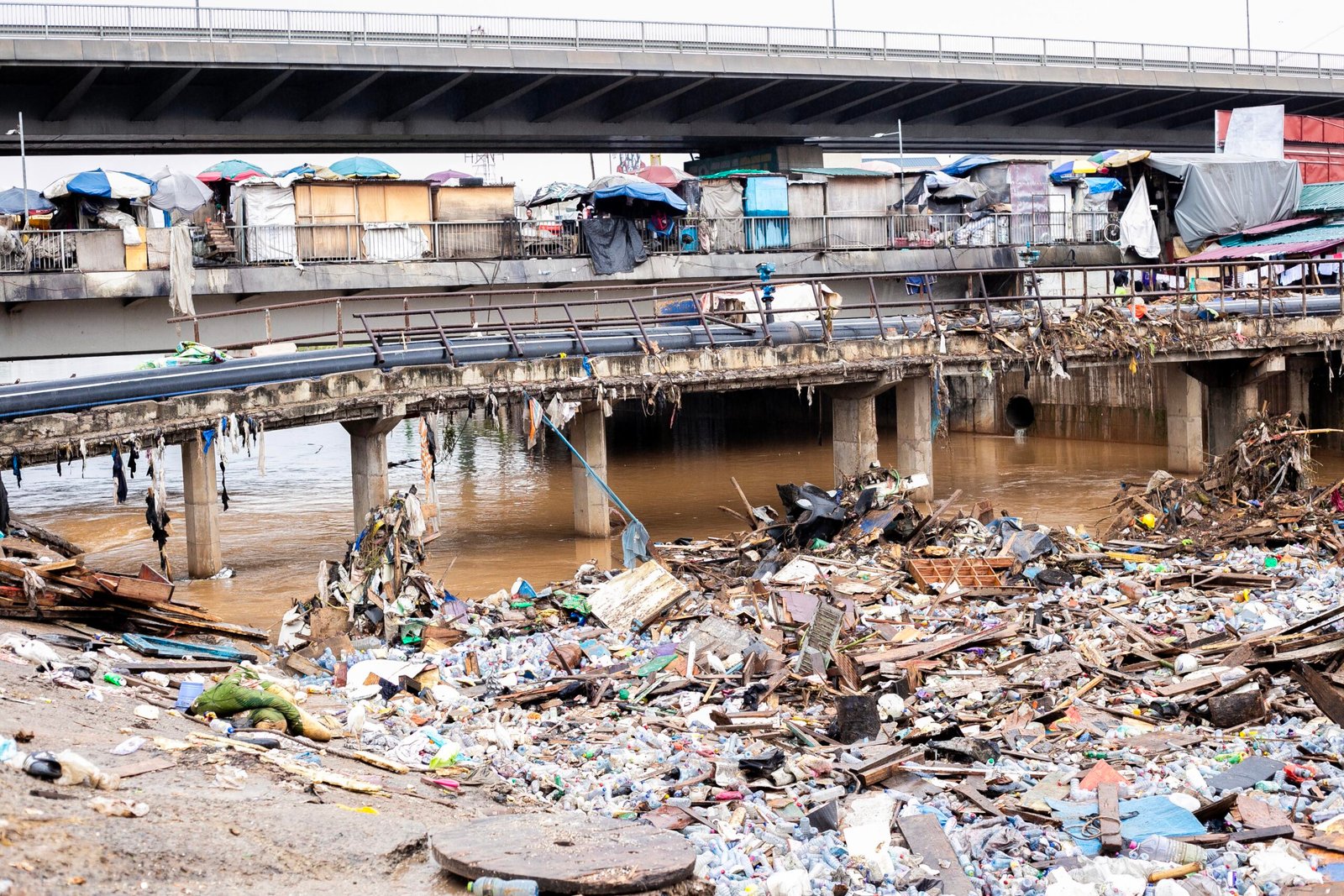
Data Scientist and Policy Analyst, Alfred Appiah, has detailed why Assemblies are still struggling with sanitation despite record 97.5% District Assembly Common Fund (DACF) releases to municipalities.
The Policy Analyst details that Ghana’s 2025 Auditor-General report confirms record District Assembly Common Fund releases to municipalities at 97.5% of allocations, with over 3 billion cedis in the first three quarters compared to 65-70% in prior years- yet sanitation and market conditions remain poor.

According to Alfred Appiah, part of the reason why assemblies are struggling with sanitation despite record 97.5% DACF releases is due to Cabinet-approved guidelines that direct 25% of funds to 24-hour economy model markets with only 10% for environmental sanitation, presented as expectations that assemblies treat as mandatory minimums.
He disclosed that many rural or low-activity assemblies with designated market days are required to prioritise 24-hour markets over local needs like school infrastructure or waste management, as evidenced by Auditor-General citations for non-compliance in cases like Nkoranza North.
In a post on X, the Data Scientist and Policy Analyst, Alfred Appiah wrote, “According to government, municipalities are receiving unprecedented amounts of money from the District Assembly Common Fund. The Auditor-General’s report shows that in 2025, assemblies directly received 97.5% of their allocations from the Fund, compared to 65 to 70% in previous years. Through the first three quarters of 2025, that amounts to more than 3 billion cedis.
So why are assemblies still struggling to deal with sanitation properly despite unprecedented releases? Why are so many markets still dirty?
Part of the answer may lie in the “guidelines” government has issued on how the money should be used. For example, 25% of what assemblies receive is recommended for the design and construction of 24-hour model market, the highest allocation. Essentially assemblies that are already struggling to keep existing markets clean are expected to set aside a quarter of their Common Fund for 24-hour markets, while only 10% is recommended for sanitation.
These have been presented as “guidelines”, but some of them include minimum allocations, which suggests they are not really optional. They look more like expectations from the central government. In practice, municipal leaders will treat them as gospel. So even when sanitation is a key local priority, they may feel unable to allocate meaningful resources to it because the “guidelines” say otherwise.
The reality is that most assemblies in Ghana do not need 24-hour model markets. Many do not even have enough economic activity to sustain 12-hour markets. In many assemblies, there are designated market days, which suggests they do not even have enough activity to support daily market operations. Why should such assemblies be required to allocate 25% of the Common Fund to a 24-hour model market when children are still studying under trees or their existing markets are filthy?”.
Some netizens reacting to his post stated, “We are already paying private operators to dispose of our waste. The assemblies simply need to step in to regulate and expand these existing operations. In markets, they can either increase tolls to cover waste disposal, or introduce a pay-as-you-throw. @JDMahama @FelixKwakyeOfo1”.
A netizen added, “Key issue is prioritisation. Do MMDAs prioritise sanitation? Apart from DACF, MMDAs are supposed to raise IGF as well eg. What do they use market tolls for? Who takes care of public cleansing? BTW, are market containers part of SIP? Are they paying the contractor to lift?”.
One X user added, “My assembly doesn’t need a 24-hour market. We already have the Dansoman Market. Close-by markets include Agbogbloshie, Mallam Market and Tuesday Market. This is within accessible distance, and a 24-hour market wouldn’t be necessary”.
An X user added, “The perceived 24hr markets being built around the country is the way to go for a cleaner environment tomorrow. Open and unregulated markets are the bane of creating sanitation issues. Most of these markets open every day without days off to clean bcz the leaders are corrupt”.
See the post below:
According to government, municipalities are receiving unprecedented amounts of money from the District Assembly Common Fund. The Auditor-General’s report shows that in 2025, assemblies directly received 97.5% of their allocations from the Fund, compared to 65 to 70% in previous… pic.twitter.com/jux8axL9Tl
— Alfred (@CallmeAlfredo) July 15, 2026
@ghnow_ At Rawlings Park in Accra, refuse has been dumped irresponsibly on the floor, raising concerns about sanitation and the need for proper waste management. GHNow brings you updates from the ground. #GHNow #fyp ♬ Ma Oman Yi Ho Nhia Wo – Bomaa Paradise Singers
@ghnow_ Drains in front of GCTU are also filled up with refuse and plastics, raising concerns about sanitation and drainage challenges. GHNow brings you updates from the ground. #GHNow #fyp ♬ Ma Oman Yi Ho Nhia Wo – Bomaa Paradise Singers