
The International Monetary Fund (IMF) has praised Ghana’s economic reform efforts, saying difficult policy decisions taken during the country’s economic crisis are now yielding positive results.
According to the IMF, Ghana has made significant progress in restoring macroeconomic stability, with stronger-than-expected economic growth, single-digit inflation, improved public finances and a more sustainable debt position.

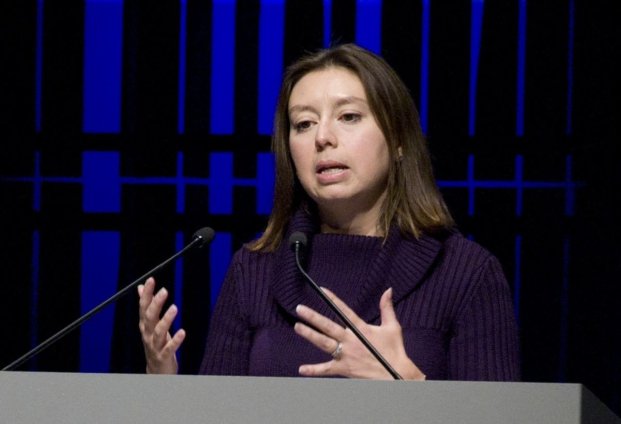
Speaking at a news conference in Washington, DC, IMF Director of Communications Julie Kozack reflected on the country’s economic challenges in previous years.
She noted that the situation had been difficult for both the government and ordinary Ghanaians.
“Even a few years ago, I think the mood in Ghana was more difficult. It was a hard time for the country; it was a hard time for the people,” she said.
She further attributed the recent improvements partly to the government’s willingness to implement difficult policy measures under the previous IMF-supported programme.
“We’ve also seen a willingness by the authorities to undertake some very difficult policy decisions,” she stated.
According to Julie Kozack, those decisions are now producing results, particularly in restoring economic stability and strengthening the country’s overall economic position.
“Those are now bearing fruit, as I said, in terms of stability and the strength of the economy,” she added.
Julie Kozack also highlighted the importance of public engagement in Ghana’s reform process, stressing that extensive consultations with stakeholders helped explain the measures, gather feedback and understand the country’s broader priorities.
Speaking on Ghana’s economic performance, Kozack said Ghana’s economy expanded by 6 per cent last year, exceeding expectations, while the Fund projects growth of 5.7 per cent this year.
Kozack further disclosed that Ghana’s external position had strengthened, its debt-to-GDP ratio had declined to around 50 per cent and inflation had dropped to single digits, adding that these improvements had been achieved despite global economic uncertainties and external shocks, including pressures arising from energy prices.
She also described the country’s fiscal position as strong, noting that the primary surplus remained on track to meet the year-end targets.
The IMF official indicated that the Fund’s engagement with Ghana was gradually moving beyond immediate economic crisis management towards consolidating reforms and building long-term resilience.
She explained that the proposed Policy Coordination Instrument would support this new phase of Ghana’s economic recovery.
“The focus is really on strengthening and bolstering that resilience that comes next for the country,” she said.
However, Kozack stressed that sustaining the gains made so far would be critical to ensuring that Ghana’s economy could withstand future shocks and maintain its recovery.
Meanwhile, the IMF welcomed Ghana’s improving economic conditions, pointing to strong growth, declining inflation and better public finances, but has also raised concerns about falling foreign exchange reserves and fiscal pressures in key sectors.
In a statement issued on Thursday, the Fund announced that it had reached a staff-level agreement with Ghana on the first review of the country’s Policy Coordination Instrument (PCI), following discussions held in Accra from October 22 to November 4.
The IMF described Ghana’s economic recovery as encouraging, suggesting that improvements in key macroeconomic indicators were helping to establish a more stable economic environment.
Afia Schwarzenegger sentenced to 63 days for contempt of court #GHNow https://t.co/ZZcKnw1Aqr
— GHnow (@ghnow_) November 16, 2026