

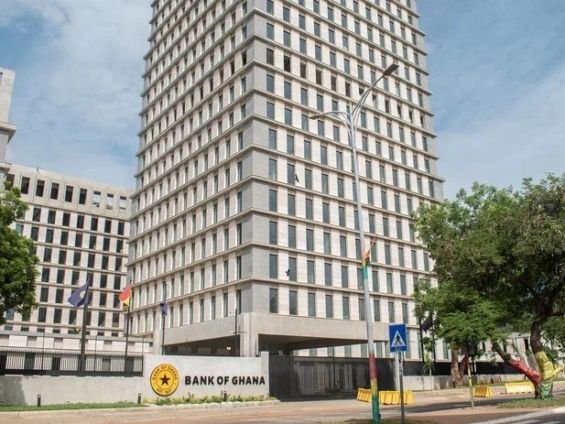
The latest data from the Bank of Ghana (BoG) show that Ghana’s gross foreign reserves declined from 4.2 months of import cover in August, down 1.5 months.
The BoG data shows Ghana’s foreign reserves can cover only 1 and a half months of imports, raising concerns about the country’s external reserve position.

Data Scientist and Policy Analyst Alfred Appiah says the decline should be viewed within the context of changes in Ghana’s gold trading and foreign exchange strategy.
He noted that part of the decline could be linked to a slowdown in gold exports by the Ghana Gold Board (GoldBod) as highlighted by the BoG Governor during the opening statement at the latest Monetary Policy Committee meeting.
Alfred Appiah, in a post on X, detailed, “The latest data from the Bank of Ghana show that Ghana’s gross international reserves declined to 4.2 months of import cover in August, down 1.5 months from the peak of 5.7 months in March.
On the surface, that looks alarming. But from the BoG Governor’s opening statement at the MPC meeting, we know that part of the decline is attributable to a slowdown in gold exports by GoldBod.
That, in itself, may not necessarily indicate that things are heading in the wrong direction. The key is understanding that the operating model this year is different from last year.
In 2025, artisanal and small-scale mining (ASM) gold was sold at prevailing market prices to generate forex. GoldBod now has greater control over the gold value chain and its trading strategy.
During our X Spaces discussions, the CEO explained how GoldBod planned to use hedging to reduce some of the trading losses. What appears to be happening is that we are no longer selling gold at any price simply to generate forex, as was the case in 2025.
This could explain some of the short-term decline in reserves.
By the end of the year, however, it would be reasonable to expect reserve accumulation to pick up if GoldBod closes its open hedging positions and converts the proceeds into forex”.
In related news, the BoG data also show that Ghana’s gross international reserves have slipped by about US$1.9 billion between June and August 2026.
The BoG data show that gross international reserves declined from US$12.94 billion in June to US$11.07 billion in August, highlighting renewed pressure on the country’s external buffers despite strong export earnings.
Ghana’s foreign exchange reserves have declined by a cumulative US$3.09 billion since the first quarter of 2026, after the country ended 2025 with reserves of US$13.83 billion.
The reserves initially increased to US$14.16 billion by March 2026, but subsequently fell to US$13.95 billion in April and then to US$12.94 billion by June, marking the end of the first half of the year.
By the end of August, the country’s reserves had declined further to US$11.07 billion.
The BoG data means Ghana has effectively lost about 1.5 months of import cover since the beginning of the year, with the reserve buffer falling from 5.7 months of import cover to 4.2 months.
The decline leaves Ghana with a narrower foreign-exchange cushion to meet its external payment obligations.
According to reports, the development is notable because Ghana’s export earnings have remained relatively strong, largely on the back of gold exports.
However, the increase in export receipts has not been enough to prevent a drawdown in the country’s reserves.
Speaking at the opening of the Bank of Ghana’s 132nd Monetary Policy Committee meeting, Governor Dr Johnson Asiama identified a projected current account deficit, declining reserves and a pause in gold exports by the Ghana Gold Board since mid-August as key risks to Ghana’s external position.
Dr Johnson Asiama said these developments require close monitoring, particularly as Ghana approaches the fourth quarter, a period that traditionally sees stronger demand for foreign exchange.
“Rebuilding reserves will be a key priority for the Bank in the coming months,” the BoG Governor stated.
Ghana’s reserve position is therefore becoming an increasingly important consideration for the MPC as it weighs inflation, exchange-rate stability and economic growth.
See the post below:
The latest data from the Bank of Ghana show that Ghana’s gross international reserves declined to 4.2 months of import cover in August, down 1.5 months from the peak of 5.7 months in March.
— Alfred (@CallmeAlfredo) September 24, 2026
On the surface, that looks alarming. But from the BoG Governor’s opening statement at the… pic.twitter.com/4bG0dg8z64
@ghnow_ EOCO Officials Attempt to Arrest Lawyer Nana Adjei Baffour Awuah at Accra High Court #GHNow #fyp ♬ original sound – GHnow
@ghnow_ The Mahama administration has added 25 vehicles to the Narcotics Control Commission (NACOC) as part of efforts to strengthen its operations and retool the agency in the fight against illicit drug trafficking. The government has also restored NACOC’s involvement in port inspections. #GHnow #fyp ♬ original sound – GHnow